The Seat Of The Stool: How To Listen To Music Like A Mix Engineer (Part 2)
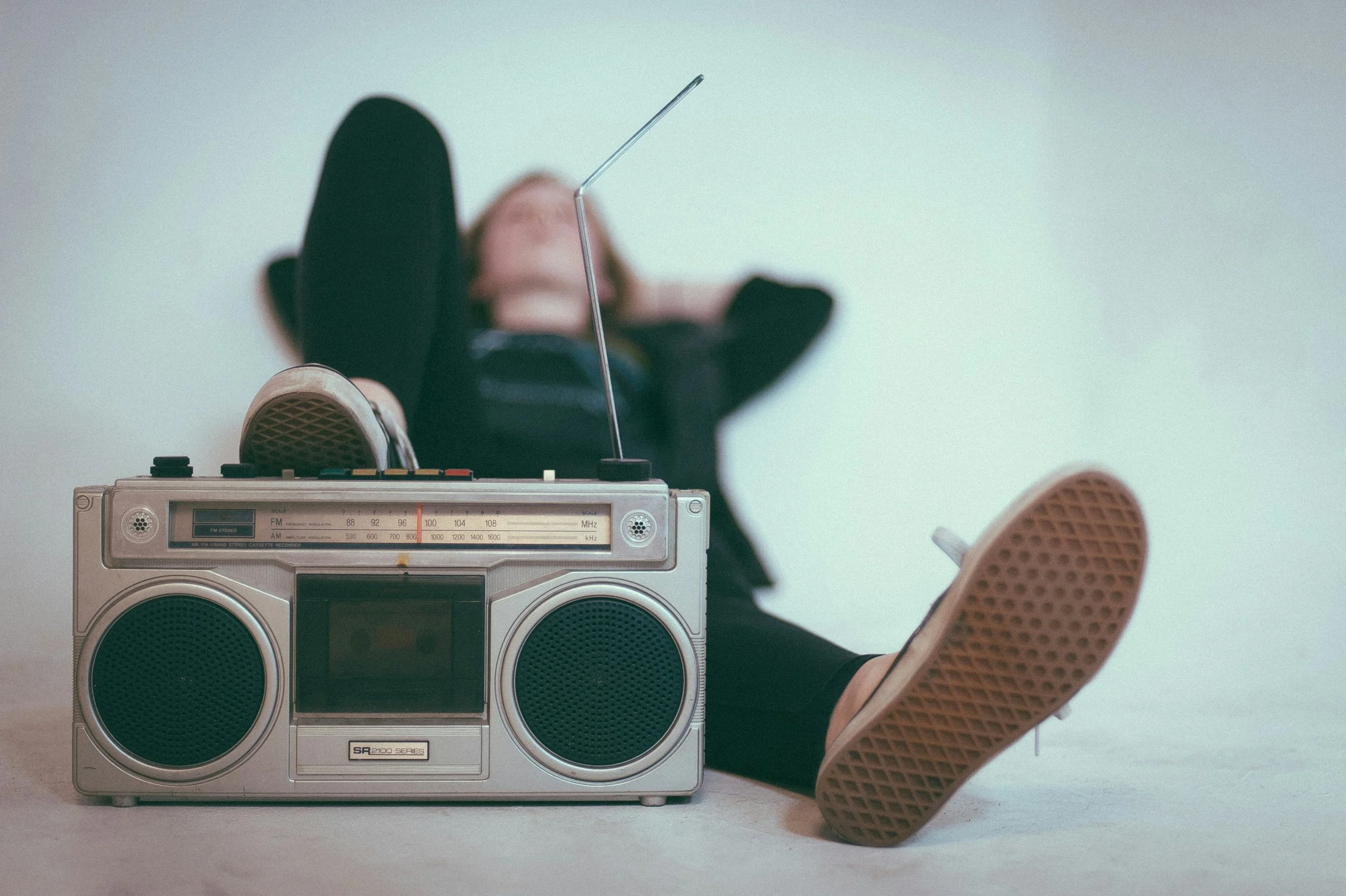
If Mixing Is A Three Legged Stool (and it is), then your mix still needs something solid to sit on, and that’s your ability to listen. You can’t mix what you can’t hear, and chances are you’ll never be a great musician, composer, producer, or mix engineer without first becoming a great listener. Hearing and listening are both important, but they’re not the same, so let’s separate them out.
This post covers gear, rooms, acoustics, hearing health, and the art of critical listening. Before you worry too much about mixing your tracks (or if you’ve hit a wall and need a reset), focus on these skills. No equipment or plugin will even compensate for lack of attention or taste.
Hearing
If you want to be able to listen, first you need to be able to hear. When you play back recorded music, you’re listening to four things. Let’s break those down and then we’ll talk about how to optimize each.
The recorded material: the actual audio.
The playback system: interface, converters, cables, and speakers or headphones.
The environment: your room and its reflections or the character of the headphones.
Your own hearing: its frequency range, its fatigue level, and its long-term health.
Optimizing The Recorded Material
Always listen to the best quality version you can. Lossless is always better than lossy, so use .wav, .aiff, .flac, .alac, etc. when you can. Aim for 48 kHz / 24-bit or better when you can.
Optimizing The Playback System
Good converters, cables, speakers, and headphones are critical.
Some great but attainable interfaces with excellent converters to consider are the Apogee Symphony Desktop, Audient iD 44, and RME Babyface. For speakers, most people in most studios are going to be best off with sealed (unported) speakers. Ported speakers in a poor room or an insufficiently treated one are a recipe for chaotic bass, but we’ll cover room treatment in a minute. If you don’t have much budget for speakers, the Auratone Sound Cubes will tell you the truth. Pair them with great headphones like the Neumann NDH 30 or the Sennheiser HD 650 when you need to pay even greater attention to forensic detail. If you have more budget for speakers, excellent options are the Barefoot Footprint02, Barefoot Footprint 01, Neumann KH310, and ATC SCM20ASL. There are excellent ported speakers like the Genelec 8341 and Genelec 8351 as well, but they demand more from your room.
Put them on good speaker stands if you can, and if you can’t, use isolation stands to keep your speakers from turning your desk into a resonator.
And finally, don’t cheap out on cables. You don’t need magic fairy dust cables, but good low-capacitance cables like Mogami Gold prevent interference and high-frequency rolloff.
Optimize The Environment
Your room plays a big role in what you hear, and, depending on how bad it is, its impact could be huge. Choose the best listening position you can. In a rectangular room, you want to be facing one of the two shorter walls, and you want your position to be centered on that wall, 38% of the way to the back wall, with your head forming the third point of an equilateral triangle with your speakers, tweeters at ear height.
Use Room EQ Wizard (REW) and a decent RTA microphone to measure the room, and AMCoustic’s AMROC to understand how to address issues you find. Treat your room if possible. There are great companies out there like Music City Acoustics who are able to help you diagnose issues in your room and correct them for what are often very reasonable fees.
Optimize Your Hearing
This means protection, and it’s non-negotiable. Your ears are the only tool you have that you’ll never be able to replace. Take care of them. Wear earplugs at every loud event. Keep your studio volume reasonable (80 dB SPL is a safe and useful level for long sessions). Follow hearing health guidance from The World Health Organization. Rest your ears when they feel fatigued. Listening and mixing fatigued isn’t just bad for your ears, it’s also one of the surest ways to get awful results.
Listening
Listening is just hearing with focused intent and sustained attention. That’s the whole job.
Most musicians love listening to music, but focusing attention on it is harder now than it’s ever been. Social media, news, notifications on the phone, and a million other distractions are all screaming for your attention. To be a great listener, you have to push all that to the side, because listening is about concentration.
At first, this can feel unnatural, especially with music you don’t love, but just like every other skill, practice makes progress and then proficiency. Here’s an exercise to help you get started and practice.
Listening Exercise: Ear Day At The Gym
Pick a song you know well and get a notebook. Give yourself 30 minutes to sit down and really study the song. You’re going to listen in two phases: objectively and subjectively.
Phase One: Objective Listening
Listen to the song all the way through several times. Pause when you need. Take notes like the band handed you the song as a rough mix and said, “tell us what you hear.” Ask yourself questions like:
Do the verses differ? New instruments? New phrasing?
Is the drummer ahead, behind, or dead-on the beat?
What’s the bassist doing in relation to the drums?
Does the timing change between verse and chorus?
What’s the emotional effect of that timing?
Where are the instruments placed in space?
Now, listen again with your producer or engineer ears on.
What’s balanced? What’s not?
What sounds are up front and which ones are pushed to the back?
Is the mix dry, roomy, artificial, or natural?
Are there big dynamic swings?
Does the mix feel clear or muddy? Spacious or cramped?
Phase Two: Subjective Listening
Now, shift from objective analysis to taste. Listen again and take notes as if you were the producer in the studio with the band.
What would you change about the arrangement?
Would you adjust the sound design?
Are the performances tight? Do mistakes feel charming or sloppy?
Does anything clash?
Is the right instrument out front?
Is the low end muddy?
Is the master overly smashed?
You may wind up listening to the song five or ten times, but you’ll hear things you’ve never heard before, even in your favorite songs. You’re in the gym working a muscle that helps you stay focused long enough to hear what’s really there, not what you think is there.
Expand The Exercise
Most listeners drift in and out of attention, but your goal here is to really stay with the music. Once you’ve practiced with songs you like, work through new songs, unfamiliar genres, and even songs you actively dislike. Doing this enough will massively expand your musical vocabulary, and will help you learn to hear things like individual instruments, the rhythm section as a single machine, harmony separate from melody, production choices separate from performance.
Tackle Your Own Music
Once you’ve practiced quite a bit on other people’s music, try doing it on your own. Listen like someone else made the song. Approach is like a dispassionate third party who’s been handed a band’s music, and listen critically. Ask yourself questions like:
What could be improved in the arrangement?
Are there performance issues?
Is the production serving the song?
What would make the mix clearer, bigger, or more emotional?
Stay focused. Write it down. And above all else, be honest with yourself. When people talk about producing their own music, the serious ones mean they’re doing this relentlessly and rigorously.
In Conclusion
If mixing is a three legged stool, listening is the seat that your song rests on. Good gear and a good room matter but they’re only tools. The most important thing is to hone your ability to listen critically with focus, intention, and stamina. You can make great music with bad gear if you have enough skills and determination, but the best gear in the best room won’t save you if you can’t listen critically with clarity, intention, and endurance.